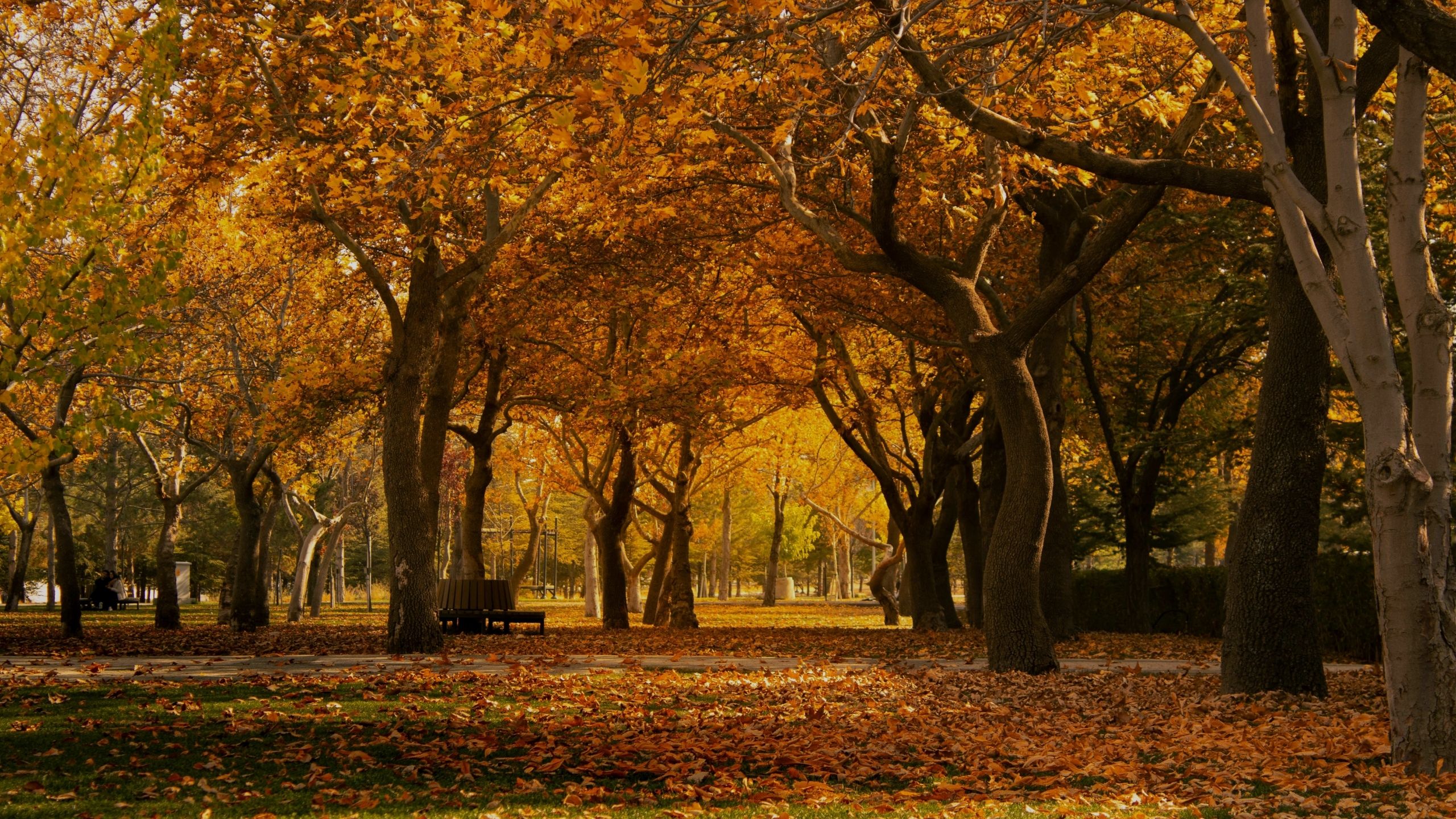

A Stroll through Rome: Walking along the Aventine Hill and the Orange Garden
Among the most enjoyable walks to include during a stay in the capital, exploring the Colle Aventino offers a perfect opportunity to experience a calmer yet historically rich area of the city. This district, one of Rome’s oldest, retains a residential atmosphere that feels far removed from the crowds of the historic center. Walking along the Aventine reveals a different rhythm of the city, shaped by quiet streets, elegant buildings, and carefully maintained green spaces. It is here that visitors find one of Rome’s most appreciated panoramic viewpoints, a place where nature, history, and urban scenery merge into a single, rewarding experience.
The Orange Garden as a public park and scenic terrace
The heart of this walk is the Giardino degli Aranci, a public park created in the twentieth century within the grounds of the former Santa Sabina convent. Its name comes from the rows of bitter orange trees lining the paths, which give the garden its distinctive character. The layout is simple and balanced, with straight walkways, stone benches, and wide openings toward the city panorama. More than a decorative space, the garden serves an important urban function, offering a quiet place to pause and observe Rome from above. It is frequented by locals and visitors alike, making it an authentic part of everyday Roman life.
A panoramic view that reveals the structure of the city
One of the main highlights of the Orange Garden is its panoramic terrace overlooking Rome. From this point, the view extends across the Tiber River, the historic center, and the unmistakable dome of Basilica di San Pietro, which stands out as a focal element of the skyline. This perspective allows visitors to clearly understand Rome’s urban layout, showing the relationship between the river, the hills, and the city’s major monuments. The landscape becomes more than a scenic backdrop—it acts as a visual map that helps interpret the city’s historical layers and development over time.
The Aventine Hill between ancient history and urban evolution
The Aventine has a long history dating back to Roman times, when it was primarily inhabited by the lower classes and later transformed by religious complexes and noble residences. Over the centuries, the area maintained a more reserved character compared to other Roman hills, preserving larger green spaces and a lower building density. The presence of historic sites such as Santa Sabina and numerous private gardens reflects the Aventine’s role as a balance between built city and nature. Walking here means crossing centuries of urban change while observing how Rome integrated different functions into the same historical fabric.
An easy addition to any Roman itinerary
From a practical point of view, the Orange Garden fits naturally into itineraries that include the Circus Maximus, Tiber Island, and Trastevere—areas already central to many sightseeing routes. The climb to the Aventine is short and accessible, making this walk suitable for all travelers. For those staying in a hotel in central Rome, it offers a pleasant break from crowded attractions, providing a more relaxed experience without moving far from the city’s main highlights.
Why include the Orange Garden in a visit to Rome
Adding a walk along the Aventine Hill and through the Orange Garden enriches a Roman stay with a moment of observation and calm, while maintaining strong cultural value. It is a stop that deepens the understanding of the city by linking landscape, history, and urban planning. The garden is not simply a green space but a strategic viewpoint from which to read Rome from above, grasping both its development and complexity. For travelers seeking a more authentic and less frenetic side of the city, this corner of the Aventine represents an especially rewarding choice.
Cover photo by Philippe Gauthier