A Stroll through Rome: exploring the Monti and Celio districts
Within the historic center of Rome, the Monti and Celio districts represent two different ways of experiencing the city. On one hand, the Monti district in Rome stands out for its strong presence of commercial and cultural activities; on the other, the Celio district retains a more residential character. Including a walk through these two areas in an urban itinerary allows visitors to understand how historic Rome is composed of distinct contexts, each with its own identity.
Monti: historical development and contemporary activities
The Monti neighborhood in Rome is one of the oldest areas of the city and features an urban structure that reflects the different stages of its evolution. Narrow streets, small squares, and irregular pathways reveal a gradual development shaped over time. Over the years, Monti has built a strong identity connected to artisan workshops, independent shops, and cultural activities. This has led to a transformation of the area, which today combines historical elements with contemporary functions.
Walking through this district means observing a balance between tradition and innovation, where the urban fabric of Rome continues to play an active role beyond tourism alone. The widespread presence of local businesses contributes to creating a dynamic environment, while remaining consistent with the original structure of the neighborhood.
Celio: residential continuity and historical context
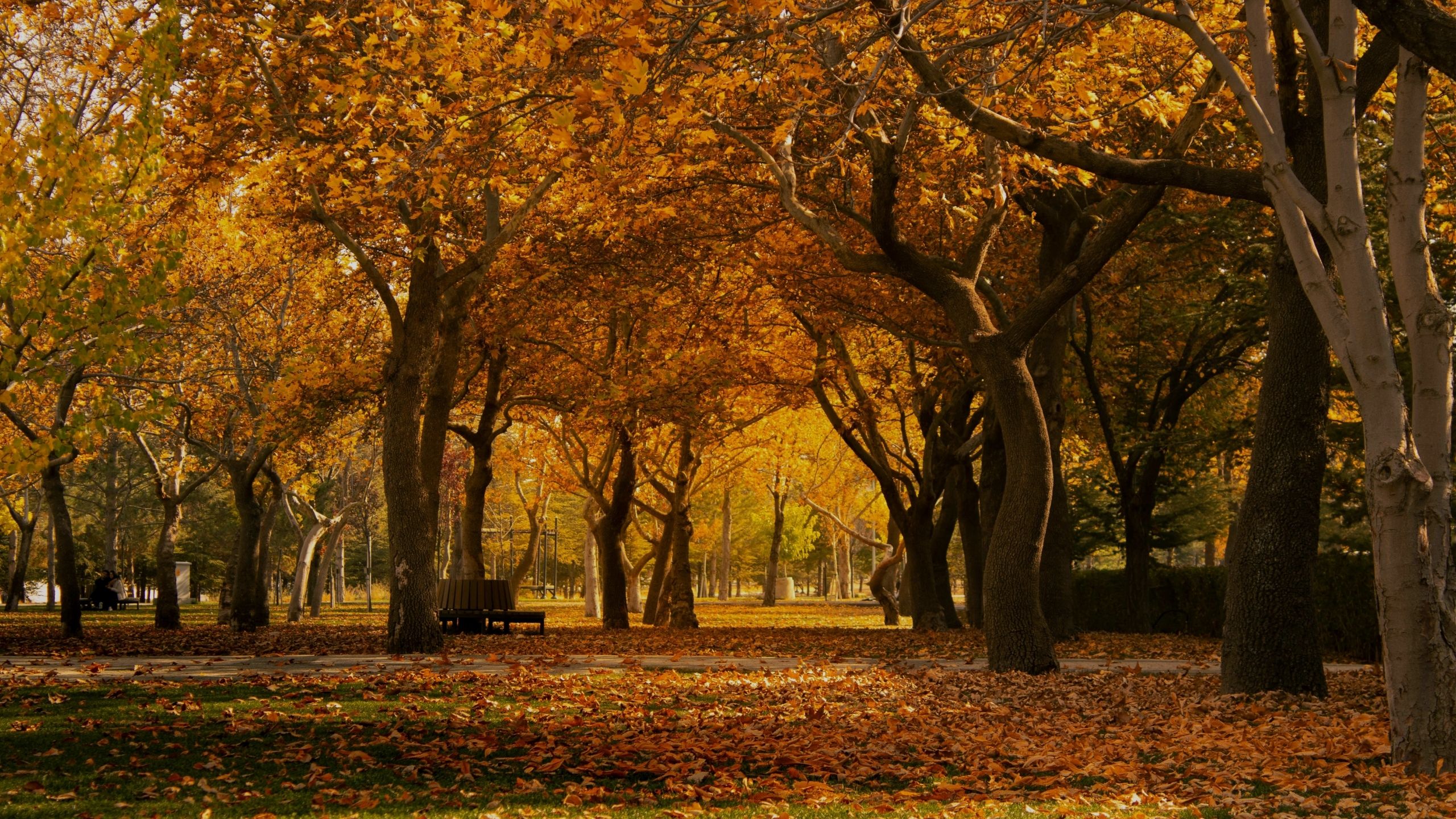
The Celio district in Rome presents different characteristics, with a predominance of residential buildings and a lower concentration of commercial activities. This helps define a quieter setting, where the pace of urban life is less influenced by tourism. The streets of Celio maintain an orderly layout, with open spaces, green areas, and viewpoints that allow for a more direct perception of the surrounding environment. The proximity to the Colosseum and other archaeological sites in Rome does not alter the nature of the district, which continues to function primarily as a residential area.
Walking through the Celio district offers a view of a more stable side of the city, where historical presence integrates with contemporary use without significant transformation. 
An urban route between contrast and continuity
Moving from Monti to Celio creates an itinerary that highlights both the differences between two adjacent areas and the elements that connect them. Crossing these districts, it becomes clear how the city is structured through spaces with different functions, while maintaining overall coherence in the urban structure of Rome. This route provides a concrete reading of urban Rome, showing how the city has developed through a combination of change and continuity. The presence of historic buildings, public spaces, and archaeological traces contributes to making this walk a complete cultural experience.
An easily accessible walking itinerary
From a practical perspective, a walk between Monti and Celio in Rome can be organized without difficulty, thanks to the short distance between the two districts and the availability of direct pedestrian connections. This makes the itinerary particularly suitable to be included within a day dedicated to exploring the city.
For those staying in a hotel in central Rome, this route offers an effective way to explore different areas without relying on transportation, ensuring continuity in the visit and optimizing time.
Including a walk between the Monti and Celio districts among the things to do in Rome allows visitors to deepen their understanding of the city through two distinct yet complementary contexts. The experience goes beyond visiting individual landmarks, becoming an observation of the urban fabric and its dynamics.
For those looking to go beyond the most immediate routes, this itinerary offers the opportunity to connect with a less touristy side of Rome, while remaining central and culturally significant.